Featured
Table of Contents
The counselor will certainly assess your funds with you to establish if the program is the right option. The testimonial will certainly consist of a take a look at your regular monthly earnings and expenses. The firm will certainly draw a credit history record to understand what you owe and the extent of your challenge. If the forgiveness program is the very best option, the counselor will certainly send you an arrangement that information the plan, including the quantity of the month-to-month repayment.
If you miss out on a repayment, the agreement is squashed, and you have to leave the program. If you think it's an excellent option for you, call a counselor at a not-for-profit credit counseling agency like InCharge Financial debt Solutions, who can address your inquiries and aid you determine if you qualify.
Because the program permits consumers to resolve for less than what they owe, the lenders who take part want reassurance that those that capitalize on it would certainly not have the ability to pay the sum total. Your credit score card accounts likewise must be from financial institutions and bank card companies that have actually agreed to take part.
If you miss a repayment that's simply one missed settlement the arrangement is terminated. Your financial institution(s) will certainly terminate the plan and your balance goes back to the initial quantity, minus what you've paid while in the program.
Rumored Buzz on This Organization Method with Individuals
With the mercy program, the creditor can rather pick to maintain your financial obligation on the books and redeem 50%-60% of what they are owed. Nonprofit Charge Card Financial obligation Forgiveness and for-profit financial obligation negotiation are comparable in that they both provide a method to work out bank card financial debt by paying much less than what is owed.
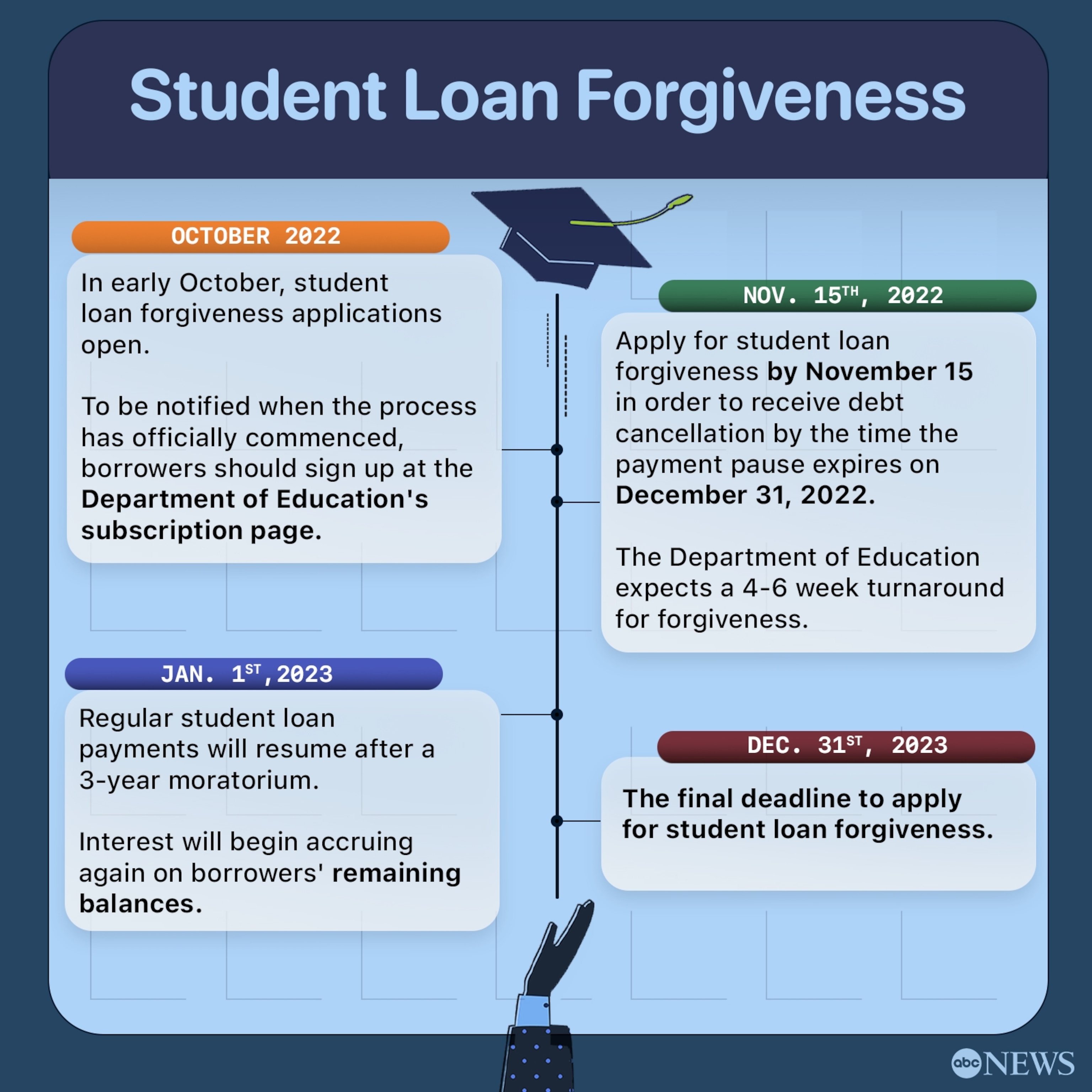
Charge card forgiveness is made to cost the customer much less, settle the debt quicker, and have less downsides than its for-profit counterpart. Some essential areas of difference in between Bank card Financial debt Mercy and for-profit debt settlement are: Debt Card Debt Forgiveness programs have connections with creditors who have consented to take part.
Once they do, the payback duration starts instantly. For-profit financial debt negotiation programs work out with each creditor, typically over a 2-3-year duration, while passion, costs and calls from financial debt collection agencies continue. This implies a bigger hit on your credit report and credit rating, and an increasing equilibrium until settlement is finished.
Charge Card Debt Forgiveness clients make 36 equal month-to-month repayments to eliminate their debt. The repayments most likely to the financial institutions until the agreed-to balance is removed. No rate of interest is billed throughout that period. For-profit financial obligation settlement customers pay right into an escrow account over a settlement period towards a lump amount that will be paid to financial institutions.
The Main Principles Of Resources Available Via The Future of Credit Scoring: Beyond FICO Alternative Data and Financial Inclusion Providers

Throughout this time around, charges might increase, and interest builds up, so repayments may wind up not being budget friendly for customers. At the same time, clients quit paying to their charge card accounts. Calls from debt enthusiasts proceed and creditor-reported non-payments remain to harm the customer's credit history report. Registration in a Charge Card Financial debt Mercy stops phone calls and letters from financial obligation collection and recovery companies for the accounts included in the program.
For-profit financial obligation settlement programs don't quit collection actions till the lump-sum settlement is made to the lender. Nonprofit Charge Card Financial obligation Forgiveness programs will certainly tell you up front what the month-to-month cost is, topped at $75, or much less, depending on what state you stay in. For-profit debt settlement companies may not be clear concerning cost amounts, which commonly are a portion of the equilibrium.
3 Easy Facts About Your Interests Shown
For-profit financial debt settlement likely will hurt it much more, since you won't be paying financial institutions throughout the 2-3 year negotiation/escrow period, however they have not consented to a plan or obtained any cash, so they're still reporting nonpayment. This gets on top of the credit rating score hit from not paying the total.
Most of the times, financial obligation consolidation also comes with a reduced rate of interest than what you were paying on your bank card, making the monthly prices, along with total costs, much less. Charge card debt consolidation's most usual types are financial obligation administration strategies, financial debt combination financings, or a zero-interest transfer charge card.
To obtain a debt combination financing or a zero-interest equilibrium transfer debt card, you need a credit history rating of at the very least 680. Credit rating score isn't a variable for financial debt administration program, however you need a sufficient earnings to be able to make a regular monthly settlement that will certainly cover all of the accounts consisted of in the program.
Insolvency is the last hotel for somebody who has more financial debt than they can pay. Nonprofit Bank Card Financial debt Mercy will not get rid of almost as much financial obligation as insolvency does, however it likewise has much less of the durable adverse economic impact insolvency brings. It can be the step you absorb order to stay clear of insolvency.
Examine This Report on Consumer Rights When Undergoing Bankruptcy Counseling
Insolvency will eliminate all qualified unsecured financial debt. Charge Card Financial debt Forgiveness will have an unfavorable influence on your credit rating given that full balances on accounts were not paid. Once you have actually completed the program, the accounts will show a zero balance, not that you still owe money. Personal bankruptcy will have a far more serious adverse influence on your debt report, making it hard to get a home mortgage, vehicle lending, or other required credit rating in the years that adhere to.
Bank Card Financial obligation Mercy payments begin as quickly as you're accepted into the program. Personal bankruptcy approval and discharge can take 6-12 months. Collection activities and claims on Credit scores Card Debt Forgiveness customers are quit as soon as financial institutions agree to the strategy. Declare bankruptcy causes an automatic remain on collection actions and claims, and provides protection from harassment by creditors, but if the court does not accept the insolvency, those will launch once again.

Table of Contents
Latest Posts
Starting Meeting and What to Expect for Dummies
Some Of Student Loan Debt The Future of Credit Scoring: Beyond FICO Alternative Data and Financial Inclusion Options
The Best Strategy To Use For What's Coming in Bankruptcy Counseling and Debtor Options
More
Latest Posts
Starting Meeting and What to Expect for Dummies
Some Of Student Loan Debt The Future of Credit Scoring: Beyond FICO Alternative Data and Financial Inclusion Options
The Best Strategy To Use For What's Coming in Bankruptcy Counseling and Debtor Options